
Episode 5: FreightGuard vs Traditional Insurance
In this episode, Steve Zeff discusses the key differences between traditional insurance and FreightGuard’s proactive model.

In this episode, Steve Zeff discusses the key differences between traditional insurance and FreightGuard’s proactive model.

In this video, Steve Zeff breaks down the misconception of “our customers won’t pay for that” and shows how adding FreightGuard can actually strengthen your customer relationships — rather than deter them.

Why do I need FreightGuard?
Many freight companies believe they can handle claims themselves, but managing claims internally often means simply raising revenue to cover payouts — without ever solving the root cause of the losses. In this episode, Steve Zeff explains why FreightGuard’s approach is different: We help you identify, address, and reduce claims, while ensuring claimants receive a fair and equitable outcome.

In Episode 2 of our weekly series Steve unpacks the unseen risks, hidden costs, and why relying solely on reported claims can give a false sense of security.

We’re launching a brand-new video series where we answer the most common questions about freight risk and claims management.

This blog explores the key differences between road and sea freight packaging and the important role dynamic load factos play in affecting freight in transit.

Where damage to freight has occurred, and the compatibility of the freight comes into question, it often happens that a further question arises. Should the freight have been uplifted by the freight vehicle driver in the first place, if the freight had not been adequately prepared for road freight? Should drivers be making these kinds of decisions?
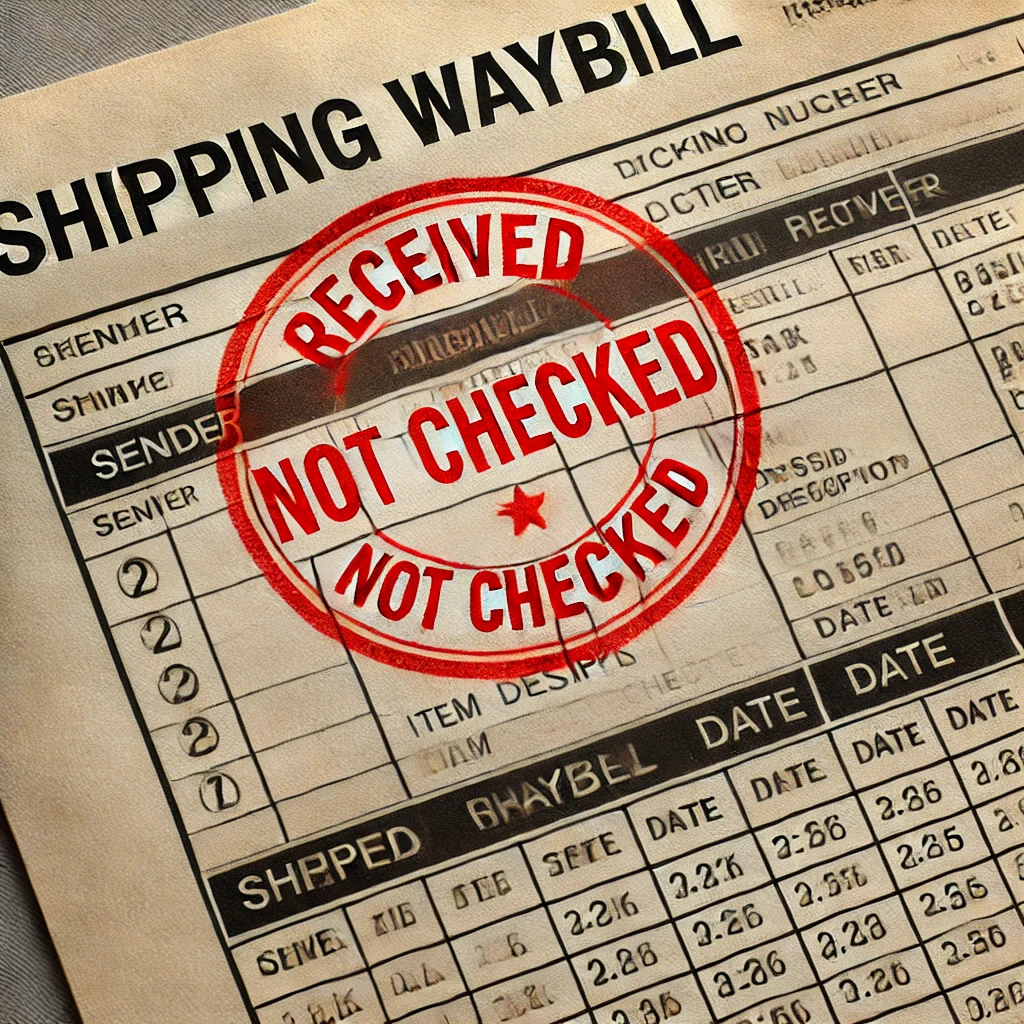
This blog examines whether the application of a stamp stating “Goods received. Not Checked” has any legal effect under South African law, particularly in the context of contract law, consumer protection, and commercial transactions.

Exploring what the South African Service would need to achieve in to take over the CEP and how much it would cost them.

The South African Post Office (SAPO) would like to enter the courier market with heavily discounted rates to undercut the competition, if it does so, it would likely have profound and far-reaching consequences for the entire South African courier and logistics industry. This blog looks at some of those consequences.